
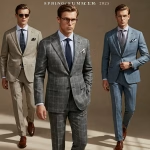
Men’s Suit Styles for Your Store: Spring/Summer 2025 Trends
April 23, 2025
7 Critical Factors Businesses Must Consider When Buying Wholesale Men’s Suits
May 5, 2025The Ultimate Guide to Suit Fabrics: Choosing the Right Options for Your Style and Needs
Selecting the perfect suit involves more than just the cut and style; the fabric plays a crucial role. The suit’s look, feel, durability, and comfort are significantly influenced by the type of material used. In this guide, we’ll explore the most common suit fabrics and their characteristics to help you make the best choice for your style and requirements.
Key Types of Suit Fabrics:
- Wool: The most popular and versatile fabric for suits.
- Characteristics: Breathable, durable, wrinkle-resistant, drapes well. Available in various weights and weaves (e.g., wool gabardine, wool flannel).
- Best For: Business, formal events, everyday wear (choose different weights for different seasons).
- Pros: Elegant appearance, comfortable, long-lasting.
- Cons: Some wool types can be a bit warm in hot weather, some require delicate care.
- Cotton: A more casual and lightweight option.
- Characteristics: Soft, breathable, easily dyed. Available in different weaves (e.g., cotton twill, cotton canvas).
- Best For: Spring and summer everyday wear, smart casual events.
- Pros: Comfortable, keeps you cool, can be more affordable.
- Cons: Wrinkles more easily than wool, less drape, some types may be less durable.
- Linen: Ideal for hot weather, a natural and stylish fabric.
- Characteristics: Very breathable, lightweight, has a distinctive texture.
- Best For: Summer weddings, vacations, everyday wear in hot climates.
- Pros: Excellent air circulation, keeps you cool, natural and stylish look.
- Cons: Wrinkles very easily, less structured than wool.
- Silk: A luxurious and lustrous fabric, often used in blends.
- Characteristics: Soft, shiny, provides a luxurious feel.
- Best For: Special occasions, tuxedo details, luxury suits.
- Pros: Eye-catching appearance, lightweight.
- Cons: Requires delicate care, expensive.
- Velvet: A soft and opulent fabric.
- Characteristics: Dense pile surface, shiny and luxurious appearance.
- Best For: Special events, evening occasions, fashion-forward designs.
- Pros: Striking look, soft to the touch.
- Cons: Requires delicate care, can be easily crushed.
- Synthetic Blends (Polyester, Viscose, etc.): Used to enhance the properties of natural fabrics or reduce cost.
- Characteristics: Can offer benefits like durability, wrinkle resistance, and affordability. Properties vary depending on the blend ratio.
- Best For: Everyday wear, budget-friendly options.
- Pros: Generally more affordable, some require less maintenance.
- Cons: May not be as breathable as natural fabrics, quality varies by blend.
Factors to Consider When Choosing Fabric:
- Season: Opt for lightweight and breathable fabrics (cotton, linen) for warm weather and heavier, warmer fabrics (wool) for cold weather.
- Occasion: Durable and elegant wool fabrics are suitable for business, more luxurious fabrics (silk blends, velvet) for special events, and more comfortable fabrics (cotton, lightweight wool) for everyday wear.
- Style: The texture and sheen of the fabric influence the overall style of the suit. Matte and textured fabrics offer a more classic and formal look, while shiny fabrics can be more modern and eye-catching.
- Budget: The type and quality of the fabric are significant factors affecting the price.
Conclusion:
Choosing the right suit fabric depends on your personal preferences, needs, and the occasion. We hope this guide has helped you understand the characteristics of different fabric types and will assist you in making the best choices for your wardrobe. Don’t forget to check the fabric label on your next suit purchase!


